



"Does this need a permit?" comes up on a lot of the calls we take. Usually it's asked hopefully, by someone who'd rather it didn't.
Fair enough. Nobody wants paperwork for a light fixture, and in Aurora you don't need any. The city publishes a chart of residential projects and whether each one needs a permit. Here's what it says about electrical work, what it means in practice, and where people tend to get tripped up.
The rule of thumb: replacing is usually fine, adding usually isn't
Aurora's chart boils down to one idea. If you're swapping something for the same thing in the same place, you generally don't need a permit. If you're putting in something new where nothing existed before, you do.
Usually no permit
- Replacing a switch or an outlet
- Replacing or repairing a light fixture where one already hangs
- Replacing smoke or carbon monoxide detectors
- A window air conditioner that plugs in
- Swapping a garbage disposal on the existing outlet and switch
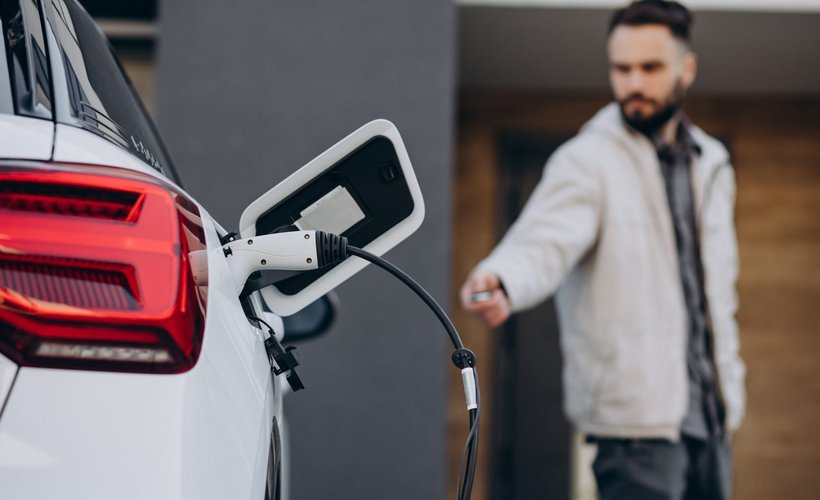
- Plugging an EV charger into a 240-volt outlet you already have
Permit required
- A new outlet, switch or light where there wasn't one
- Any new circuit
- A panel or service change, every time
- A hard-wired EV charger
- A hot tub or spa
- Central air conditioning and swamp coolers
- A water heater replacement, gas or electric
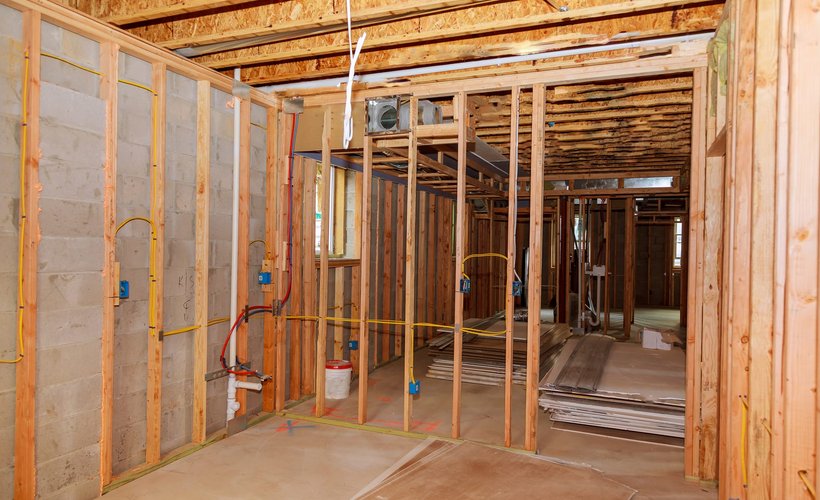
- A basement finish, a garage conversion or an addition
- Solar panels
- New wiring for a sump pump or a radon fan
The EV line is the one that surprises people. Plugging into an existing outlet needs nothing. But most garages don't have a 240-volt outlet sitting there, so the job means running a new circuit, and a new circuit needs a permit. In practice, nearly every charger we install gets one. Our EV charger installation page covers what's included.
One more catch: the chart is a guide, and the Building Division has the final word. If your project isn't on it, or sits halfway between two lines, call them at 303.739.7420 before you start. They'd rather answer the question than find the work later.
Who's allowed to pull an electrical permit
You can, on your own home. Aurora lets homeowners get permits for work on their primary residence, and Colorado's electrical rules allow a homeowner to do electrical work on the house they live in. The catch is that you become the one responsible. You do the work, you schedule the inspections, and you have to pass them. A homeowner permit can't be handed to a friend who "does electrical on the side," and it can't be used by a company you've hired.
Anyone you pay has to be licensed. Aurora requires hired contractors to be licensed with the city, and electrical work done for pay in Colorado has to be done by a licensed electrician. That rules out the handyman, however capable. When a contractor tells you a job doesn't need a permit and the chart says it does, take that as your cue to find someone else.
How the process works in Aurora
- Apply. Permits can be applied for online through Aurora4Biz, the city's permit portal, or in person at the Permit Center on Alameda Parkway. Bigger projects, like a basement finish or an addition, need plans submitted for review first.
- Pay and post it. The fee is paid before the permit is issued, and the permit stays at the job site for the inspector.
- Start within six months. A permit expires if the work doesn't start within six months or isn't finished within a year.
- Rough inspection. With the walls still open, the inspector looks at the wiring, boxes, grounding and breakers before anything gets covered up.
- Final inspection. Once devices and fixtures are in, the inspector signs off and the permit is closed.
Inspections can be requested online or by calling 303.739.7420, at least a day ahead. Aurora's inspectors will also do a free consultation during a project if you have questions about what they'll be checking. Homeowners doing their own work should take them up on it.
As of August 1, 2026, Aurora inspects to the 2026 edition of the National Electrical Code, the same edition the State of Colorado adopted. If you're working from an older how-to video, some of what you see may no longer pass.
Why the permit is worth it
Selling the house is where skipped permits come back. A buyer's inspector finds a sub-panel in the garage or a basement that was clearly finished at some point, the city has no record of it, and suddenly a sale is waiting on paperwork that should have been done years ago. The city's own homeowner handbook points out that work done without permits may not be covered by your insurance, either.
If you're buying or selling and something looks off, a home electrical inspection sorts out what's original, what was added, and what needs to be made right.
Outside Aurora
Most of the cities around us run their own building departments with their own lists. Denver, Centennial, Littleton, Lakewood and Thornton each have their own process, and some unincorporated areas go through the State Electrical Board instead. The broad rule of replacing versus adding holds almost everywhere, but the details don't, so check with the city you're in.
How we handle it
When a job needs a permit, it's in our quote. We pull it, schedule the inspections, meet the inspector, and hand you the closed permit at the end. You don't have to call anyone. Whether it's a single new outlet or a panel upgrade, the process is the same, and when a small job doesn't need one, we'll tell you that too.
Not sure which side of the line your project falls on? Send us the details and we'll tell you.