


Home Rewiring and Older Home Upgrades in Aurora
Whole-house and partial rewiring, aluminum wiring repairs, grounding and GFCI and AFCI protection for older homes across Aurora and Denver. Your options laid out plainly, a written estimate, and the permit handled.
5.0 from 44 Google reviews · Licensed and insured · 1-year workmanship warranty
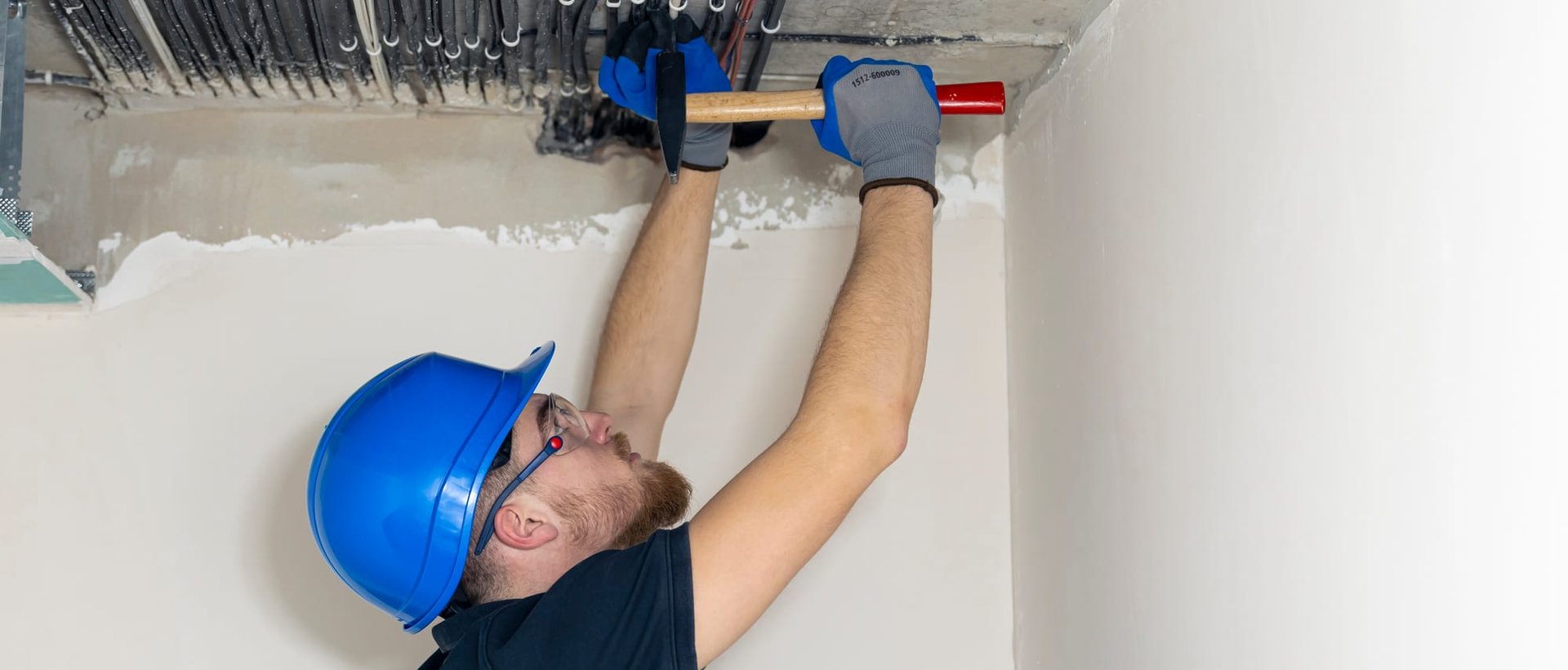
Old Wiring Doesn't Always Mean Opening Every Wall
A lot of Aurora and Denver houses were wired for a fridge, a TV and a few lamps. Now they run microwaves, home offices, window AC units and sometimes a car charger. The trouble spots are usually easy to name once you look: cloth insulation gone brittle, two-prong outlets with no ground, aluminum branch circuits from the late 1960s and early 1970s, or knob-and-tube still live in the walls of an older Denver bungalow.
We start by finding out what you actually have. Sometimes a full rewire is the right call. Often it isn't, and adding grounds, pigtailing aluminum connections to copper and putting AFCI and GFCI protection where code wants it gets you most of the way for a lot less. Stephen S. had us out to upgrade his older home. Mani talked through the options, the quote held with no surprises, and the finished work matched what he'd been told it would be.
Every rewiring job includes
- Walkthrough of your existing wiring
- Options from spot fixes to full rewire
- Written estimate before work starts
- Aluminum-to-copper pigtailing
- GFCI, AFCI and grounding upgrades
- Permit pulled and inspection passed
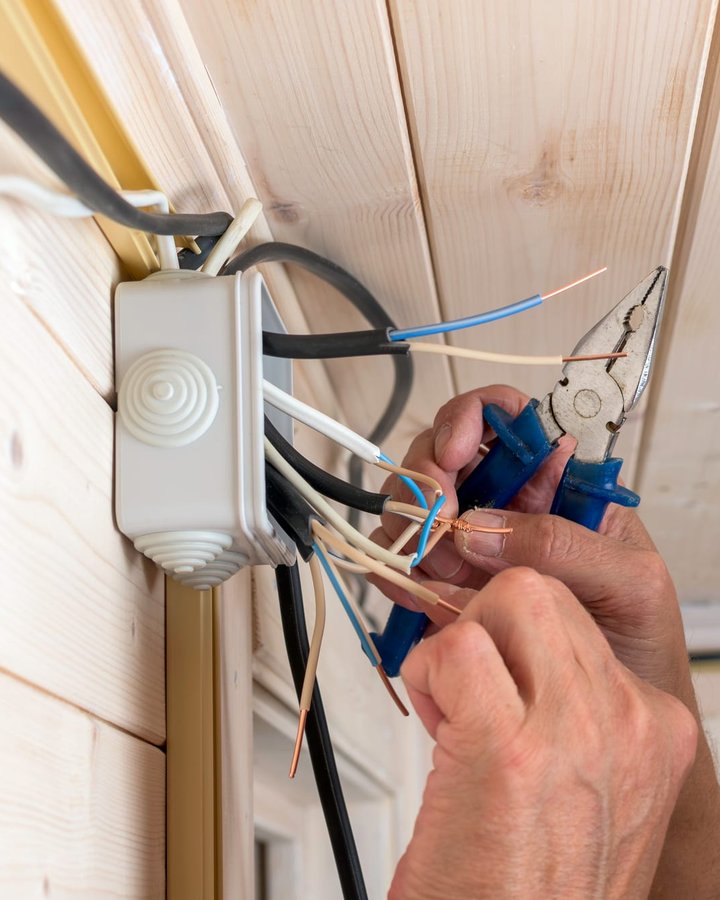
What Sets the Price on a Rewire
Rewiring is priced by the house, not by the outlet, so we come look before we quote. These four things move the number most, and each one is spelled out in your written estimate.
How Much Gets Replaced
Pigtailing aluminum connections or adding GFCI and AFCI breakers is a fraction of the work of pulling new wire to every room. Partial rewires land somewhere in between.
Getting Into the Walls
An unfinished basement or an open attic makes fishing new wire much easier. Plaster walls, finished ceilings and second floors take more time and more care.
The Panel
New circuits need somewhere to land. If the panel is full, undersized or one of the brands with a bad record, replacing it usually becomes part of the job.
Code That Comes With New Work
New and extended circuits have to meet current code: AFCI protection in most living spaces, GFCI in kitchens, baths and outdoors, and tamper-resistant outlets.
Not ready for the whole house? Plenty of owners do it in stages, starting with whatever worries them most, like the kitchen, the bedrooms or anything on aluminum. We'll help you decide what goes first.
Older Homes, Brought Up to Code
-

“Extremely satisfied with support received from Mani. We have an older home which was in need of electrical upgrades, and Mani did an excellent job talking through options and getting us a reasonable quote with no surprises. In the end the work completed aligned exactly with expectations Mani set. Very professional, with necessary care taken to ensure codes are being met and work being done in safe manner. 5/5 would recommend.”
Stephen S. Older home upgrades“Justin has been fantastic. He's knowledgeable, friendly, and truly goes above and beyond—he didn't just complete the job; he took the time to ensure our entire electrical panel was safe and up-to-code. We really appreciated his professionalism and friendly, easy-going approach. I highly recommend Bright Path Electric for everything from small fixes to major home electrical projects.”
Ray C. Panel safety and code work“Justin made an electical circuit upgrade and installed several GFCI outlets for us. He arrived promptly, was thorough and professional, and completed the work quickly. Highly recommended!”
Douglas R. Circuit upgrade and GFCI outlets“Nice job installing New wiring, fixture base, and new light with ceiling fan. No mess after the job was completed. The crew were fast, efficient, and clean. Reasonable estimate.”
Paul J. New wiring and a ceiling fan“Justin did an amazing job fixing our electrical work from the builders and then installing lighting and wiring for three of our upstairs rooms. It has made those bedrooms much more livable with better lighting and fans for the warmer months. He helped us pick out options that works with our lifestyle and made sure everything was perfect before completing the job. We are so very happy!”
Emily A. Lighting and ceiling fans“Justin and his team were amazing. We recently had our entire home remodeled and much of the work was left incomplete. He was professional on so many levels. They never spoke negatively about the unfinished work. The quote he gave was the price I paid. They went over and beyond with professional quality work. They gave us a timeline and stuck to it! We highly recommend Bright Path Electric and will utilize them again on future projects!”
Juanita D. Finishing a remodel“We had an electrical issue that multiple electricians couldn’t figure out. He came in, diagnosed it quickly, and fixed it quickly! No guesswork. Justin was methodical and he explained what was actually happening in plain terms. No upsell, no unnecessary work. Professional, respectful of the home, showed up on time, and pricing was more than fair for the level of work. If you’ve got an electrical issue call Justin - Bright Path Electric!! - Colleen”
Colleen M. Troubleshooting“Justin was very efficient and attentive. He explained his pricing and mapped everything out so we knew exactly what we were getting. I highly recommend him!”
Rachel G. Residential electrical
Rewiring Questions From Older-Home Owners
Straight answers on old wiring, before you spend a dollar on it.
Ask Us About Your JobBreakers that trip often, outlets or switch plates that feel warm or look discolored, lights that dim when the AC kicks on, a faint burning smell, two-prong outlets everywhere, or cloth-covered wire in the basement. Any one of those is worth a look. A few together usually mean the wiring is overdue.
The wire itself isn't the main issue. The connections are. Aluminum expands, contracts and oxidizes more than copper, which loosens terminals at outlets and switches until they overheat. Pigtailing each connection to a short length of copper with a connector rated for both metals, such as AlumiConn, is the accepted repair, and it costs far less than replacing every run.
Yes. It still turns up in some older Denver neighborhoods. Knob-and-tube has no ground, wasn't designed to be buried in insulation, and has usually picked up decades of add-on splices. We trace which circuits are still live and replace them with modern grounded wire. Some insurers won't write a policy on a house with active knob-and-tube, so it's worth sorting out early.
Not always. Code allows an ungrounded outlet to be swapped for a GFCI outlet labeled 'No Equipment Ground,' which protects people from shock. It doesn't protect electronics the way a real ground does, so for a home office or entertainment center we'd run a grounded circuit instead.
Existing wiring that nobody touches can stay as it is. Once we add, replace or extend a circuit in a living area, current code calls for AFCI protection on it. Plenty of owners add AFCIs anyway, because they trip on the kind of arcing that starts fires in tired wiring.
Yes. A surge protector at the panel catches spikes from the utility and from big motors inside the house before they reach your electronics. Current code requires one whenever the main panel is replaced, so it often goes in during a rewire or panel upgrade anyway.
Get Options for Your Older Home
Tell us roughly when the house was built and what's bugging you: breakers that trip, two-prong outlets, aluminum wire, a panel you don't trust. We'll come take a look and lay out your options.
Form not loading? Open the request form in a new tab or call (720) 237-2639.
- Monday to Friday 8 AM to 7 PM
- Saturday 9 AM to 3 PM
- Sunday Closed
- We read your request and call or email you back.
- Small jobs get a price on the phone. Bigger ones get a visit and a written estimate.
- You pick a day. Most jobs are on the calendar within 2 to 5 business days.
Licensed and insured in Colorado
 Licensed and insured in Colorado