

Electrical Panel Upgrades in Aurora and Denver
Moving from 100 to 200 amps, pulling out a Federal Pacific or Zinsco panel, or making room for a charger or a hot tub. We run the numbers first, then handle the permit, the power shutoff and the inspection.
5.0 from 44 Google reviews · Licensed and insured · 1-year workmanship warranty
Your Panel Was Sized for a Different House
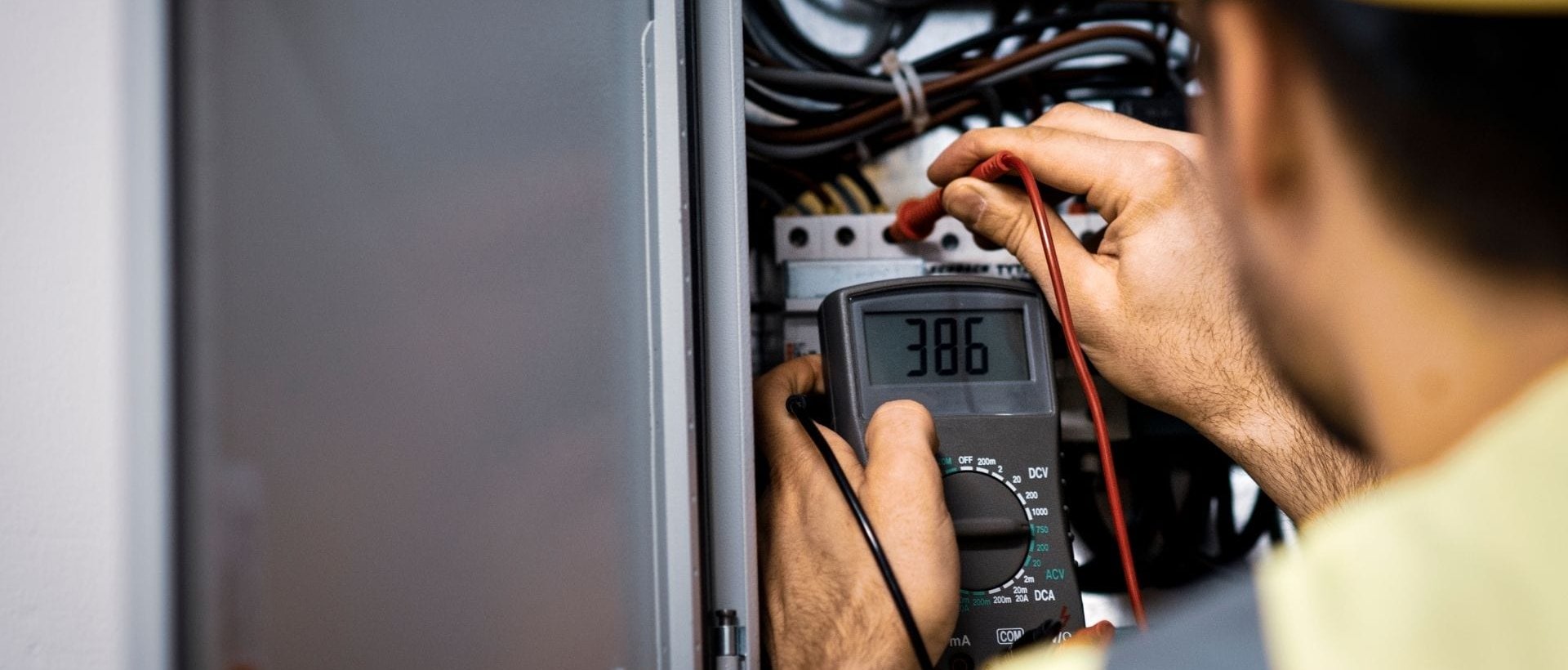
Plenty of homes around Aurora still run on the 100-amp panel they were built with. That was enough when the big loads were a range and a dryer. Add central air, an EV, a hot tub or a finished basement and the math stops working. You notice it as breakers that trip when two things run at once, lights that dim when the AC kicks on, or a panel with no open slots left.
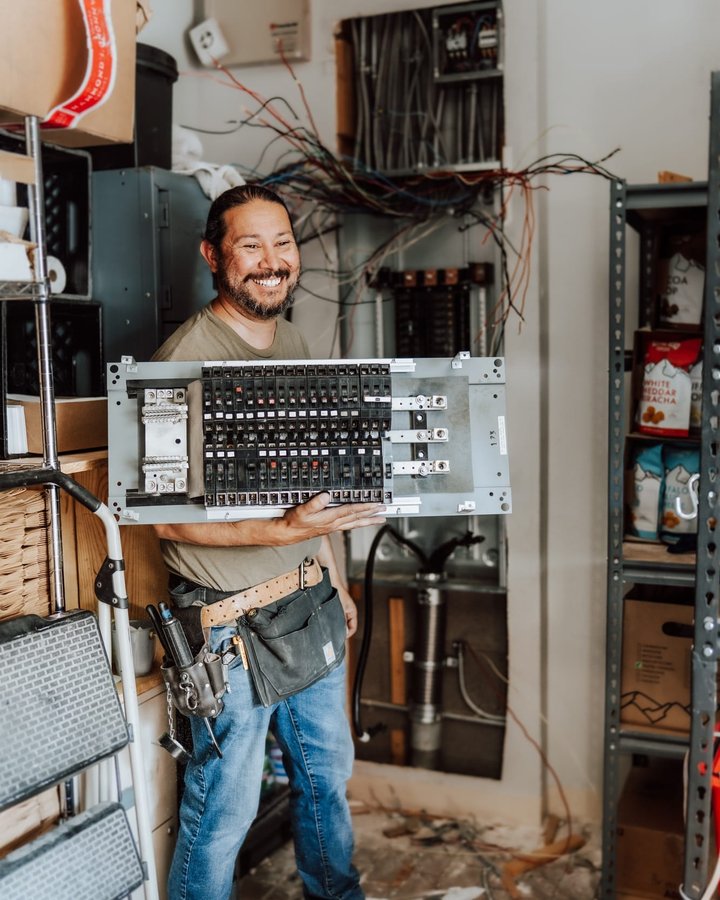
Some panels need to go no matter how much capacity they have. Federal Pacific Stab-Lok and Zinsco panels, both common in houses built in the 1960s and 70s, use breakers with a long record of not tripping when they should. Home inspectors flag them and some insurers balk at them. We look at what you have, run a load calculation and tell you plainly if you need a 200-amp service upgrade, a straight panel swap or just a sub-panel. You get it in writing before anything gets touched.
Every panel job includes
- Load calculation for your home
- Permit pulled with your city
- Utility shutoff and reconnect arranged
- Every circuit labeled at the new panel
- Grounding and bonding brought to code
- Inspection scheduled and passed
What Sets the Price on a Panel Upgrade
No two panel jobs cost the same, which is why we quote after we've seen yours. These four things move the number most, and each one is spelled out in your written estimate before work starts.
Swap or Service Upgrade
Replacing a panel at the same amperage is the smaller job. Going from 100 to 200 amps usually means a new meter base and service cable too, plus a disconnect and reconnect by the utility.
Where the Panel Lives
A panel on an open garage wall is easy to reach. One tucked into a finished basement or a closet can mean drywall work, or moving it somewhere that meets today's clearance rules.
What's Behind the Cover
Undersized grounding, brittle wire ends and doubled-up breakers all get fixed while the panel is open. We'd rather tell you up front than close it back up.
Surge Protection and Add-Ons
Whole-home surge protection, AFCI and GFCI breakers where your inspector requires them, and open spaces left for the charger or hot tub you're planning.
Did an inspector flag your panel? Tell us the brand and amperage printed on the label inside the panel door when you ask for a quote. That alone tells us most of what we need to know about how big the job is.
Panels Made Safe and Up to Code
-

“Justin has been fantastic. He's knowledgeable, friendly, and truly goes above and beyond—he didn't just complete the job; he took the time to ensure our entire electrical panel was safe and up-to-code. We really appreciated his professionalism and friendly, easy-going approach. I highly recommend Bright Path Electric for everything from small fixes to major home electrical projects.”
Ray C. Panel safety and code work“Justin and Randy were excellent! They installed a new sub panel and wall charger in our garage. Very professional and very easy to work with - exceeded all our expectations and highly recommend Bright Path for your electrical work.”
The Bratchers Garage sub-panel and EV charger“Extremely satisfied with support received from Mani. We have an older home which was in need of electrical upgrades, and Mani did an excellent job talking through options and getting us a reasonable quote with no surprises. In the end the work completed aligned exactly with expectations Mani set. Very professional, with necessary care taken to ensure codes are being met and work being done in safe manner. 5/5 would recommend.”
Stephen S. Older home upgrades“Justin made an electical circuit upgrade and installed several GFCI outlets for us. He arrived promptly, was thorough and professional, and completed the work quickly. Highly recommended!”
Douglas R. Circuit upgrade and GFCI outlets“We needed to address an electrical issue that came up during the inspection while selling our home. An outlet wasn't tripping properly, and we needed it resolved quickly to keep the sale moving forward. The team at Bright Path Electric was thorough, professional, and great to work with. They took apart the outlet, checked the surrounding outlets, inspected the panel, and tightened all the connections to help troubleshoot the issue. They clearly explained the next steps and what additional troubleshooting might be needed if the problem continued. I really appreciated their honesty, attention to detail, and willingness to take the time to investigate the problem rather than jumping to expensive solutions. I would absolutely recommend Bright Path Electric to anyone looking for a knowledgeable and trustworthy electrician.”
Melissa D. Repair for a home-sale inspection“Justin was very efficient and attentive. He explained his pricing and mapped everything out so we knew exactly what we were getting. I highly recommend him!”
Rachel G. Residential electrical“Justin and his team were amazing. We recently had our entire home remodeled and much of the work was left incomplete. He was professional on so many levels. They never spoke negatively about the unfinished work. The quote he gave was the price I paid. They went over and beyond with professional quality work. They gave us a timeline and stuck to it! We highly recommend Bright Path Electric and will utilize them again on future projects!”
Juanita D. Finishing a remodel“I've used BrightPath Electric a couple times now. I don't like big companies and prefer smaller companies that care. During the couple times I've used them, they have come out and assessed the job, gave me a very fair price, did the job quickly and very professionally...and in the case of one visit, walked me through how to use equipment that wasn't needed now, but maybe in 15-20 years and why. I feel very comfortable with BrightPath and will gladly use them for any electrical needs.”
Repeat customer Several jobs
Before You Upgrade Your Panel
What homeowners ask us while we're standing in front of the panel, reading the label.
Ask Us About Your JobThe usual signs are breakers that trip when two big loads run together, lights that dim when the AC or dryer starts, no empty slots in the panel, and anything warm, buzzing or scorched at the panel itself. Your plans matter too. If you're adding an EV charger, a heat pump or a hot tub, a load calculation tells you whether the panel can carry it.
For a house with gas heat, a gas range and no EV, 100 amps often still works fine. Electric heat or a heat pump, an EV, a hot tub or a big addition usually push you to 200. The load calculation settles it with numbers instead of guesses. If 100 really is enough for you, we'll say so.
Both brands have breakers that, in testing and in real homes, fail to trip too often, and tripping is the one job a breaker has. Not every one will fail, but there's no way to tell which ones will. Swapping individual breakers doesn't fix the problem, so we recommend replacing the whole panel.
Most panel swaps are a one-day job, and the power is off for most of that day. A 200-amp service upgrade can take a bit longer because the utility has to disconnect and reconnect the service. We set that up and tell you ahead of time when the power goes off, so you can plan around it.
Yes. It often makes sense when you're finishing a basement or remodeling. A panel needs clear working space in front of it, and code keeps it out of bathrooms and clothes closets. Moving it costs more than a swap in place, because every circuit has to be extended to reach the new spot, so it's usually worth doing at the same time as the upgrade.
It takes a common inspection flag off the table. Buyers' inspectors call out Federal Pacific and Zinsco panels, doubled-up breakers and missing grounding all the time, and those findings tend to turn into repair requests. If you're listing soon, a pre-sale electrical inspection shows you what's worth fixing first.
Get a Price on Your Panel Upgrade
Tell us the brand and amperage on the panel label, roughly when the house was built and what you're planning to add. We'll come back with next steps, usually the same business day.
Form not loading? Open the request form in a new tab or call (720) 237-2639.
- Monday to Friday 8 AM to 7 PM
- Saturday 9 AM to 3 PM
- Sunday Closed
- We read your request and call or email you back.
- Small jobs get a price on the phone. Bigger ones get a visit and a written estimate.
- You pick a day. Most jobs are on the calendar within 2 to 5 business days.
Licensed and insured in Colorado
 Licensed and insured in Colorado