

Sub-Panels and Dedicated Circuits in Aurora and Denver
Garage and shop sub-panels, plus dedicated lines for kilns, saunas, hot tubs, welders and big appliances. Sized to the equipment, permitted and inspected, and installed by a licensed Colorado electrician.
5.0 from 44 Google reviews · Licensed and insured · 1-year workmanship warranty
One Big Load Deserves Its Own Circuit
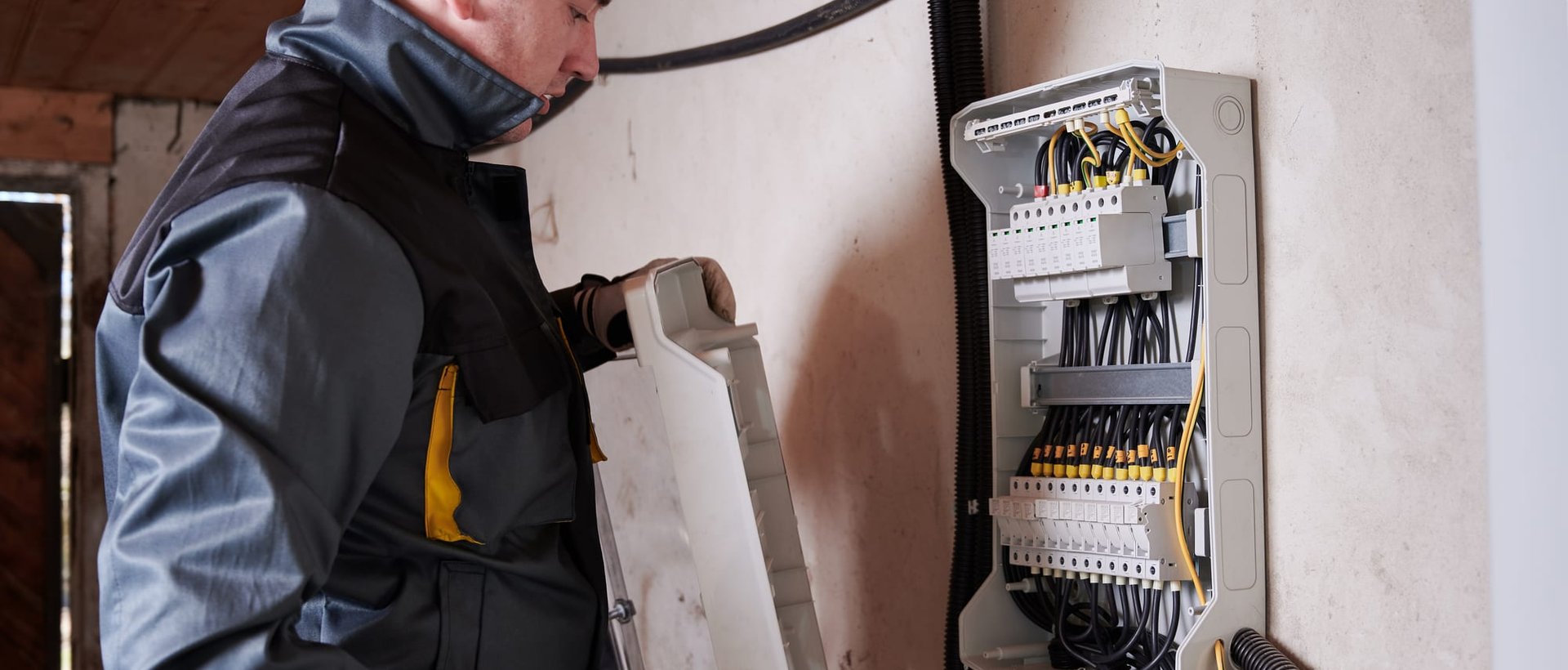
A kiln, a sauna heater or a hot tub pulls more current than anything else at your place, and it keeps pulling for hours. On a shared circuit or undersized wire, you get tripped breakers. Worse, you get a connection that cooks itself slowly inside the wall. Each of these needs its own line, sized to the nameplate, with the right breaker and a disconnect where code calls for one.
We ran the kiln line in a garage for the Gnome Pottery Collective, wired a sauna for Ming L., and Justin and Randy put a new sub-panel and wall charger in the Bratchers' garage. That last one is a common setup. When the main panel is out of room, a sub-panel in the garage or shop gives the new circuit a place to land and leaves space for whatever you add next.
Every circuit or sub-panel includes
- Load check on your main panel
- Wire and breaker sized to the equipment
- Disconnects where code calls for them
- Sub-panel mounted and fed, if needed
- Permit and inspection handled
- Test run with your equipment
What Sets the Price on a New Circuit
A dedicated line can be a short, simple run or a real project. For a sense of scale, the Bratchers reported paying $3,500 to $4,000 for a garage sub-panel plus a wall charger. Your own number comes in a written quote before we start, and it depends on these four things.
What the Equipment Draws
A 20-amp line for a chest freezer and a 60-amp feed for a big kiln are very different jobs. Heavier circuits need thicker copper and bigger breakers, and material costs climb fast.
Distance From the Panel
A garage on the other side of the wall from your panel is quick. A detached shop or a hot tub by the back fence can mean trenching and buried conduit.
Room in the Main Panel
If there's space and capacity, the circuit lands in your main panel. If not, a sub-panel or a panel upgrade comes first.
Indoors or Out
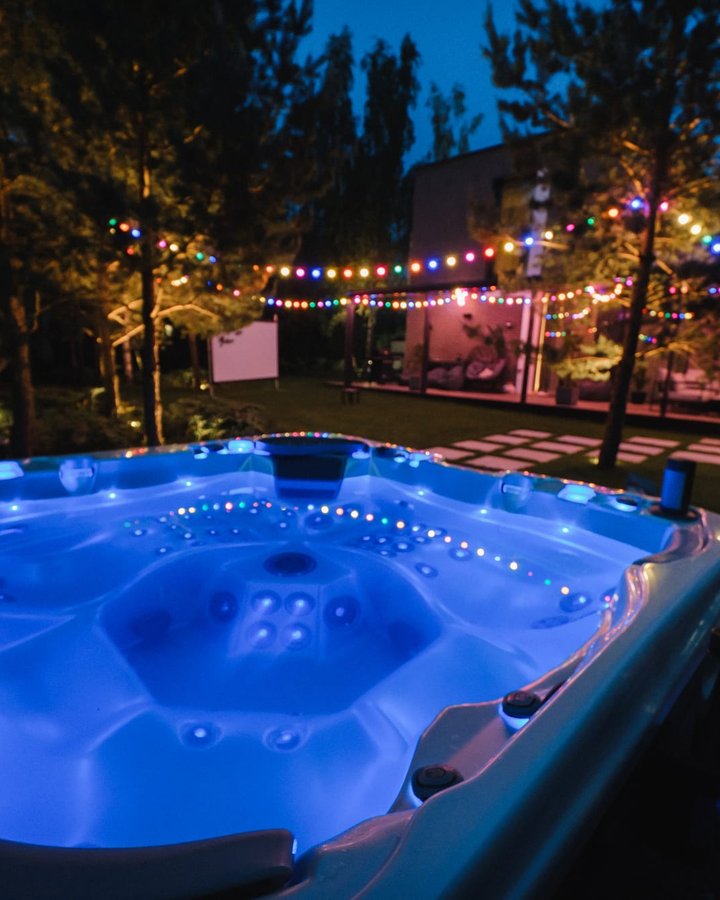
Outdoor equipment needs weather-rated parts. Hot tubs also need GFCI protection and a disconnect within sight of the tub, at least 5 feet from its edge.
Have the spec sheet? Send it, or a photo of the equipment's nameplate. The amps, the voltage and the breaker size the manufacturer calls for tell us most of what we need to quote.
Garages, Studios and Backyards We've Wired
-

“Justin is everything you’d want in an electrician. On time, professional, friendly, gives options and great advice. I was looking for a neighbor to do a line for the kiln in our garage- and he was amazing. Absolutely using him again.”
Gnome Pottery Collective Kiln circuit in a garage“Justin and Randy were excellent! They installed a new sub panel and wall charger in our garage. Very professional and very easy to work with - exceeded all our expectations and highly recommend Bright Path for your electrical work.”
The Bratchers Garage sub-panel and EV charger“Justin at Bright Path Electric is great. I’ve worked with him once for my home project. Highly recommend Bright Path Electric in the Denver metro/Douglas County area!”
Ming L. Home project“Justin made an electical circuit upgrade and installed several GFCI outlets for us. He arrived promptly, was thorough and professional, and completed the work quickly. Highly recommended!”
Douglas R. Circuit upgrade and GFCI outlets“These guys were great. Got back with us for a quote right away. Scheduled with us quickly. Install was seamless. Justin and Mani were great to work with, I recommend these guys.”
Christopher W. Installation“Found bright path from a search. Best decision I made. They were easy to schedule with, and had pretty immediate availability. Pricing is super competitive and transparent. The install looks like it was done by the builder-seamless and professional. Highly recommend these guys.”
Kelyn L. Installation“I've used BrightPath Electric a couple times now. I don't like big companies and prefer smaller companies that care. During the couple times I've used them, they have come out and assessed the job, gave me a very fair price, did the job quickly and very professionally...and in the case of one visit, walked me through how to use equipment that wasn't needed now, but maybe in 15-20 years and why. I feel very comfortable with BrightPath and will gladly use them for any electrical needs.”
Repeat customer Several jobs“Quality work with more than fair pricing! Justin is great to work with. Highly recommend!”
AJ L. Residential electrical
Questions About New Circuits and Sub-Panels
Got the spec sheet in hand? These are the questions that usually come next.
Ask Us About Your JobIt's a circuit that feeds one appliance and nothing else. Most 240-volt equipment needs one, and so does anything whose installation manual says so. If a breaker trips every time two things run at once, like a space heater and a microwave, that's a sign the load wants its own line.
If you want more than a couple of circuits out there, usually yes. A shop with a welder, a compressor, a charger and lights is easier to run from a sub-panel with its own breakers than from a string of long runs back to the house. It also leaves room to grow. A detached garage sub-panel needs its own grounding rods, which we handle.
Most 240-volt hot tubs want a dedicated circuit somewhere between 30 and 60 amps, with GFCI protection and an outdoor disconnect within sight of the tub and at least 5 feet away. We match the wire and breaker to your tub's manual. Plug-in 120-volt spas can use a standard outlet, but it still has to be GFCI-protected and on its own circuit.
Yes, that's what we did for the Gnome Pottery Collective. Kilns run hot for hours, so the circuit has to be sized for a continuous load, which typically means wire and breaker rated for 125% of the kiln's amps. We size everything from the nameplate and put the outlet or disconnect where the kiln maker wants it.
It depends on the heater. Small 120-volt infrared saunas often run on a 20-amp line. Traditional electric heaters in the 6 to 9 kW range typically need a 240-volt circuit of 30 to 50 amps. The heater's manual sets the exact size, and we follow it.
Usually, when the problem is space and not capacity. A sub-panel gives you more breaker slots. It doesn't give you more power from the utility. If a load calculation shows the house is already near its service limit, a sub-panel won't solve that, and we'll tell you before you pay for one.
Get a Price on Your New Circuit
Tell us what you're plugging in, where it'll go and where your panel is. A photo of the equipment's nameplate and your panel label speeds things up.
Form not loading? Open the request form in a new tab or call (720) 237-2639.
- Monday to Friday 8 AM to 7 PM
- Saturday 9 AM to 3 PM
- Sunday Closed
- We read your request and call or email you back.
- Small jobs get a price on the phone. Bigger ones get a visit and a written estimate.
- You pick a day. Most jobs are on the calendar within 2 to 5 business days.
Licensed and insured in Colorado
 Licensed and insured in Colorado